Denmark Hill access guide for Camberwell removals
If you are moving in or around Denmark Hill, the access details can matter just as much as the packing tape. A van that can park legally, a lift that actually fits the sofa, a tight turn into a shared driveway, or a one-way street that adds ten extra minutes can make the difference between a calm move and a long, exhausting one. This Denmark Hill access guide for Camberwell removals is here to help you plan the practical side properly, so move day feels a lot less chaotic and a bit more under control.
Denmark Hill has its own rhythm: busy roads, a mix of flats and period homes, school traffic at certain times, and the kind of access quirks that only really show up when you are carrying a wardrobe downstairs. In this guide, we will walk through how access works, what to check before the van arrives, how to avoid common mistakes, and when it makes sense to choose a different moving setup such as man and van support, a larger removal van, or a fuller home moving service.
Truth be told, most stressful moving problems are not about the boxes. They are about access. And once you understand that, the whole job gets easier.
Why Denmark Hill access guide for Camberwell removals Matters
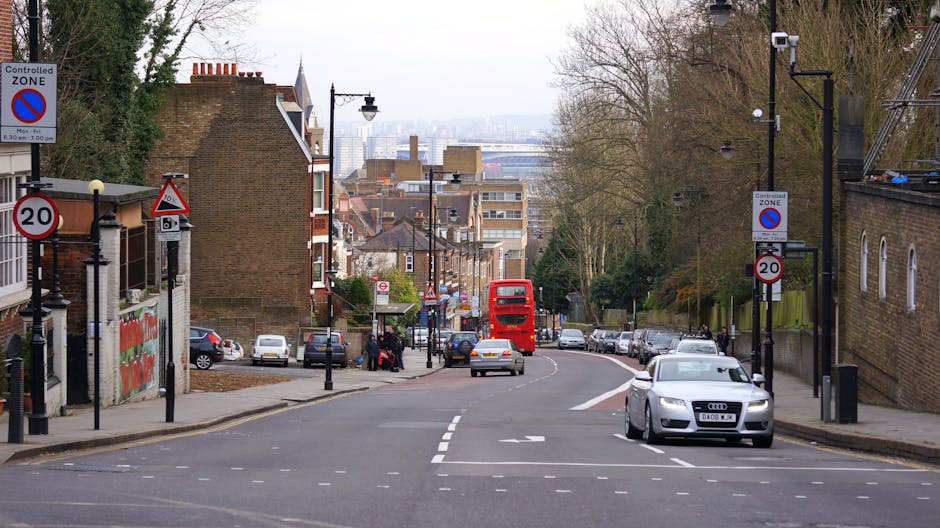
Denmark Hill is not a "load up anywhere and go" kind of place. A move here can involve narrow residential streets, limited waiting space, busy junctions, shared entrances, basement flats, upper-floor walk-ups, and awkward corners that look small until you try to bring a mattress through them. If you have ever stood at the foot of a staircase with a two-person sofa and thought, "That looked much simpler in the room," you will know the feeling.
Access planning matters because removals are physical, time-sensitive, and often tightly scheduled. A well-planned route and loading setup can reduce delays, avoid damage, and lower the chance of needing a second trip. It also helps the removal team bring the right equipment. That can mean the difference between smooth handling and a last-minute scramble with blankets, straps, and a van that is suddenly too small.
For Camberwell and Denmark Hill moves, access planning also helps with communication. If you give the team clear information in advance, they can decide whether a standard van, a moving truck, or a smaller vehicle is the smarter choice. That's not just about efficiency. It can also help with safety, parking, and neighbour relations, which is handy when everyone on the street seems to be trying to get somewhere at the same time.
In practical terms, the better the access guide, the fewer surprises on the day. And to be fair, surprises are fun at birthdays, not during removals.
How Denmark Hill access guide for Camberwell removals Works
A good access guide is basically a short, honest briefing about the moving environment. It tells the removals team what they are walking into before they arrive. In Denmark Hill, that means checking the route to the property, the entrance layout, the floor level, the parking situation, and any restrictions that could affect loading or unloading.
The process usually starts with a quick review of the property type. Is it a flat above a shop? A maisonette with a steep staircase? A terraced house with a tight front path? Each version creates different access needs. For example, a top-floor flat may be better served by a team that specialises in flat removals, while a larger family property may be better suited to a more complete house removal plan.
Next comes access at street level. In a place like Denmark Hill, the key questions are simple but important:
- Can the vehicle stop close enough to the property?
- Is the street wide enough for safe loading?
- Are there time restrictions, yellow lines, or space shared with neighbours?
- Will the crew need to carry items a long distance from the van?
- Are there lifts, stairs, or doorways that could slow things down?
Then there is the internal route. That sounds formal, but it just means the path from the front door to the room where items are stored or collected. A smooth route matters. A hallway with sharp turns or fragile walls needs more care. If there is a lift, the team needs to know whether it is small, slow, or shared. If there are heavy items such as wardrobes or a piano removals requirement, the access planning needs to be especially careful.
The best access guides are specific. "Parking is awkward" helps a little. "The van may need to stop 60 metres away because the closest spaces are usually taken before 8:30am" helps much more. Small detail, big difference.
Key Benefits and Practical Advantages
Planning access well gives you more than convenience. It supports the whole move from start to finish.
1. Faster loading and unloading
When the van can park close and the route is clear, the team spends more time moving items and less time navigating obstacles. That is especially useful for busy roads and short parking windows.
2. Lower risk of damage
Rushed lifting in a tight hallway is where scuffed walls, chipped furniture, and strained backs tend to happen. A clear access plan reduces that pressure.
3. Better cost control
Sometimes a poor access plan leads to extra labour time or an extra vehicle trip. If you want a more predictable quote, access information helps the removal company estimate properly. You can also review pricing and quotes guidance early, rather than guessing and hoping for the best.
4. Less stress for everyone involved
That includes you, the movers, and probably the neighbour who has already been listening to boxes being taped since dawn. Nobody enjoys a move day that feels improvised.
5. Better choice of service
Some moves are perfect for a simple man with a van arrangement. Others need a fuller team, packing support, or even temporary holding space through storage. Access planning helps you decide.
Expert summary: The smartest Denmark Hill removals plan is not the one with the fanciest van. It is the one where the crew can park, enter, load, and leave without guesswork.
Who This Is For and When It Makes Sense
This guide is useful if you are moving from Denmark Hill, moving into Denmark Hill, or doing a short local hop across Camberwell. It is especially relevant if your address has any of the following:
- limited roadside parking
- stairs instead of a lift
- a basement or top-floor flat
- a shared entrance or communal hallway
- large furniture that will not bend, fold, or politely cooperate
- a tight moving date with little room for delay
It also makes sense for students, first-time movers, landlords arranging tenant handovers, and small businesses relocating between nearby offices. For example, a student moving out of a compact flat near Denmark Hill might only need a small van and careful timing, while an office move could need more structured planning and maybe a look at office removals or broader commercial moves.
If your move includes awkwardly sized items or a mixture of furniture and boxes, you may also want support from furniture removals or furniture pick up services, especially when the old and new properties have very different access conditions.
In plain English: if access is anything other than dead simple, this guide is for you.
Step-by-Step Guidance
Here is the practical way to handle Denmark Hill access without overcomplicating it.
- Check the street outside both properties. Look at width, parking, loading points, and whether another vehicle could block the entrance while you are moving.
- Measure the key items. Doors, stairwells, lifts, and large furniture should all be checked. A few centimetres can matter more than people expect.
- Identify the hardest object first. If the sofa, fridge, or wardrobe is the challenge, plan the route around that. Not the boxes. The big awkward thing.
- Ask about stairs, lifts, and communal access. Some buildings have lift booking rules or access codes. Others have a resident-only entrance that is easy to miss in a rush.
- Decide whether packing needs to happen in advance. If you are short on time, packing and boxes support or packing and unpacking services can save real effort.
- Share the details before moving day. Tell the removals team about turning space, floor levels, entry instructions, fragile surfaces, and the exact parking conditions.
- Prepare for the first and last 10 minutes. That is where most access issues show up. The move itself often settles once the route is understood.
- Have a backup plan. If access is worse than expected, a smaller vehicle, staggered load, or short-term storage option may be the cleaner answer.
A real-world example: if you are moving from a third-floor Denmark Hill flat with no lift, you may choose a smaller vehicle to improve parking flexibility, then make two well-organised runs rather than one overstuffed attempt. That often feels calmer. And calmer is underrated.
Expert Tips for Better Results
The little things make a big difference on access-heavy moves.
- Use clear labels on boxes. It saves time when the team unloads into different rooms, and it stops that odd "kitchen box in the bedroom" drift.
- Keep hallways and entry points clear. Shoes, plant pots, bins, and loose cables always seem to appear exactly where someone needs to turn with a heavy item.
- Protect the route before the first item moves. Floor protection, door padding, and a clear path are worth the small effort.
- Move fragile items separately. If something matters a lot, do not bury it under towels and hope for the best.
- Think about timing. Early mornings can be quieter around Denmark Hill, but school runs and commuter traffic can change the picture quickly. Timing is half the game.
If you are not sure whether your move needs a van-only approach or something more robust, a quick look at removal services can help frame the options. Sometimes people think they need "the biggest vehicle available", when the better answer is simply "the right vehicle for the route".
One small but useful tip: take a photo of the outside entrance, stairwell, and parking area before moving day. It is not glamorous, but it gives the removals team a fast visual sense of what to expect. Honestly, it saves a lot of back-and-forth messaging.
Common Mistakes to Avoid
Most access problems are preventable. Here are the ones that cause the most trouble.
- Underestimating parking distance. A van parked five minutes' walk away sounds manageable until you are carrying drawers in and out repeatedly.
- Forgetting about height and width restrictions. Doors, stair bends, and lift openings matter just as much as the size of the room itself.
- Not telling the team about shared entrances. If access needs a code, a key, or a neighbour's cooperation, say so early.
- Packing too late. Last-minute packing turns access planning into panic planning. Not ideal.
- Choosing the wrong service level. A basic van may be fine for a few items, but a larger move with stairs and tight access may need a different setup.
Another common one: assuming the moving day will "just work itself out". That approach is brave, perhaps, but not especially efficient. Better to be slightly overprepared than to discover a staircase is narrower than your optimism.
Tools, Resources and Recommendations
You do not need fancy software or specialist kit to plan a Denmark Hill move well. A few simple tools are enough.
- Tape measure: for doorways, furniture, and lift openings.
- Phone camera: to record access points, parking spaces, and any tricky corners.
- Notebook or moving checklist: to keep track of keys, codes, and arrival timings.
- Labels and marker pens: to keep boxes organised and reduce unloading confusion.
- Blankets, wraps, and straps: useful for protecting furniture during a tight carry.
For smaller or more flexible local moves, removal van options can be a practical fit. If you need a more all-in approach, removals support can cover more of the job from start to finish. Students, in particular, may find student removals helpful when moving between compact rentals with awkward stair access and limited time between term dates.
You may also want to think about what happens after the move. If your new place is not ready, or if you are downsizing and need time to decide what stays, holding items in storage can take the pressure off. That is often the difference between a rushed first night and a move that feels settled.
Law, Compliance, Standards, or Best Practice
For removals in London, access planning is not just a convenience issue. It connects to general road safety, property management rules, and best practice around lifting, loading, and handling goods responsibly. You do not need to memorise regulations to benefit from good practice, but it helps to keep a few principles in mind.
Safe lifting and carrying: heavy items should be handled with care, especially on stairs or uneven surfaces. If an item is too heavy or awkward, a proper plan matters more than brute force.
Parking and loading awareness: if street access is limited, the team may need to work around permitted loading windows or designated parking spaces. That is why accurate information matters before the job begins.
Building rules: some flats and managed buildings have move-in or move-out windows, lift booking procedures, or requirements for protecting communal areas. It is best practice to check these early, not when the van is already outside and somebody is waiting with a clipboard.
Insurance and responsibility: reputable movers should be able to explain how they approach handling care, route planning, and risk reduction. If you want a clearer overview of those safeguards, review insurance and safety information and the company's health and safety policy before booking.
For service terms, payment expectations, and booking conditions, it is always wise to check terms and conditions and payment and security details. That simple step prevents misunderstandings later. Small print, yes. But useful small print.
Options, Methods, or Comparison Table
Not every Denmark Hill move needs the same setup. Here is a simple comparison to help you think it through.
| Option | Best for | Access advantage | Things to watch |
|---|---|---|---|
| Man and van | Small moves, student items, a few rooms' worth of belongings | Flexible for tighter streets and quicker loading | May need careful packing and accurate item counts |
| Removal van | Medium household moves and mixed furniture loads | Good balance of capacity and manoeuvrability | Parking and loading distance still matter |
| Moving truck | Larger homes, bulkier loads, fuller relocation days | More space for combined loads | Can be harder on narrow or busy streets |
| Full removals service | Busy households, families, and complex access situations | More support with handling, planning, and timing | Needs better pre-move detail to quote accurately |
There is no single "best" choice here. If your building access is straightforward, a smaller option may be perfect. If the access is awkward, the smarter choice may be the one that gives the crew more room to work safely. That's the real trick, really.
Case Study or Real-World Example
A typical Denmark Hill move might look like this: a couple moving out of a two-bedroom flat on an upper floor, with no lift, a narrow stairwell, and on-street parking that fills quickly after breakfast. They have a sofa, a bed frame, a dining table, boxed kitchenware, and a few fragile items that need extra care.
Instead of treating it like a simple lift-and-go job, they check the route in advance, measure the largest furniture pieces, and send photos of the entrance and stairs. The team arrives with the right van size, a plan for protecting the hallway, and a realistic view of the load sequence. The bulky items come first, the boxes follow, and the move stays under control.
The main win was not speed. It was predictability. Nobody had to improvise around the building, and nobody had to carry a dresser halfway down the street because the obvious parking spot was already gone. Small planning step, huge difference.
That kind of move is common around Camberwell and Denmark Hill. The people who plan access well tend to finish with less tiredness and fewer awkward moments. Not perfect, but better. Much better.
Practical Checklist
Use this before moving day. Keep it simple and honest.
- Measure the largest furniture items
- Check doorways, stairs, and lift dimensions
- Confirm parking and loading space near both addresses
- Note any access codes, keys, or entry instructions
- Tell the removals team about stairs, shared hallways, or tight turns
- Decide whether you need packing support
- Protect floors and fragile walls where needed
- Separate high-value or delicate items
- Check building move-in or move-out time windows
- Keep essentials easy to reach for the first night
If you tick those off, you are already ahead of most moving-day disasters. And that is honestly worth a lot.
Get a free quote today and see how much you can save.
Conclusion
A Denmark Hill move does not have to be complicated, but it does need proper access planning. The streets, parking, property layouts, and building rules can all affect how smooth the day feels. Once you know what to check, you can choose the right moving setup, prepare the route, and reduce the chance of delays or damage.
Whether you are moving a few boxes, an entire household, or a mix of furniture and fragile items, the smartest move is usually the one that respects the building as much as the belongings. That may sound obvious, but in removals, the obvious things are often the ones people miss.
If you are still deciding what level of support you need, it can help to compare the options at removal companies level and then narrow down what matches your access conditions. For many people, that is where the confidence comes from: a clear plan, a sensible vehicle, and a team that understands local streets properly.
Move well, plan early, and give yourself a bit of breathing room. It makes the whole day feel kinder.
Frequently Asked Questions
What is a Denmark Hill access guide for Camberwell removals?
It is a practical way of checking how the removals team will reach your property, park, load, and unload safely in the Denmark Hill area. It usually covers street access, stairs, lifts, turning space, and any restrictions that could slow the move down.
Why does access matter so much on moving day?
Because access affects time, safety, and cost. If the van cannot park nearby or the furniture has to be carried a long way, the move becomes slower and more physically demanding. Good access planning keeps things tidy and far less stressful.
Should I choose a man and van or a larger removals service?
It depends on how much you are moving and how difficult the access is. A smaller move with flexible parking may suit a man with van setup, while a bigger household move or difficult stair access may need fuller support.
How do I know if my Denmark Hill flat has difficult access?
If it involves narrow stairs, no lift, awkward doorways, shared entrances, or hard-to-find parking, treat it as difficult access. Even if it looks manageable at first glance, measure the key points and check carefully. A quick photo helps too.
Can a removals team handle stairs and tight hallways?
Yes, provided they know about them in advance. The team can bring the right equipment and plan the load order. That said, very tight access may influence the vehicle choice or how the furniture is carried.
What should I tell the removals company before booking?
Tell them the floor level, whether there is a lift, parking availability, access codes, bulky items, and any building time restrictions. The more accurate the information, the better the quote and the smoother the move.
Do I need to measure my furniture?
Yes, especially large items like sofas, wardrobes, beds, and dining tables. Measuring helps you check whether items will fit through doors, around corners, or into a lift without drama. And drama is rarely useful here.
What if parking is limited near my address?
Tell the removals team early. They may suggest a smaller vehicle, a different arrival time, or a loading plan that reduces carrying distance. In some cases, removal van planning is the more practical option.
Can I use storage if my new place is not ready?
Yes. Temporary storage can be a useful buffer if completion dates shift or you need time to sort things out. It often removes a lot of pressure from the day.
Are packing services worth it for a move in Denmark Hill?
If you are short on time, have a lot of fragile items, or simply want to reduce the last-minute rush, packing support can be worth it. For larger or more complicated moves, packing and unpacking services can save a surprising amount of effort.
How early should I plan an access-heavy move?
As early as you can. Even a few extra days helps you measure, photograph, check parking, and confirm building access rules. If the move is complex, earlier planning almost always pays off.
What should I do if my building has a lift booking rule?
Book it as soon as your moving date is fixed, and let the removals team know the timing window. Shared lifts can become a bottleneck if they are not planned properly, especially in busy blocks.
How can I make the move day less stressful?
Keep the route clear, label your boxes, separate essentials, and share all access details before the van arrives. That simple groundwork can take a lot of pressure off. Then, once the first few items are out, the rest usually settles nicely.